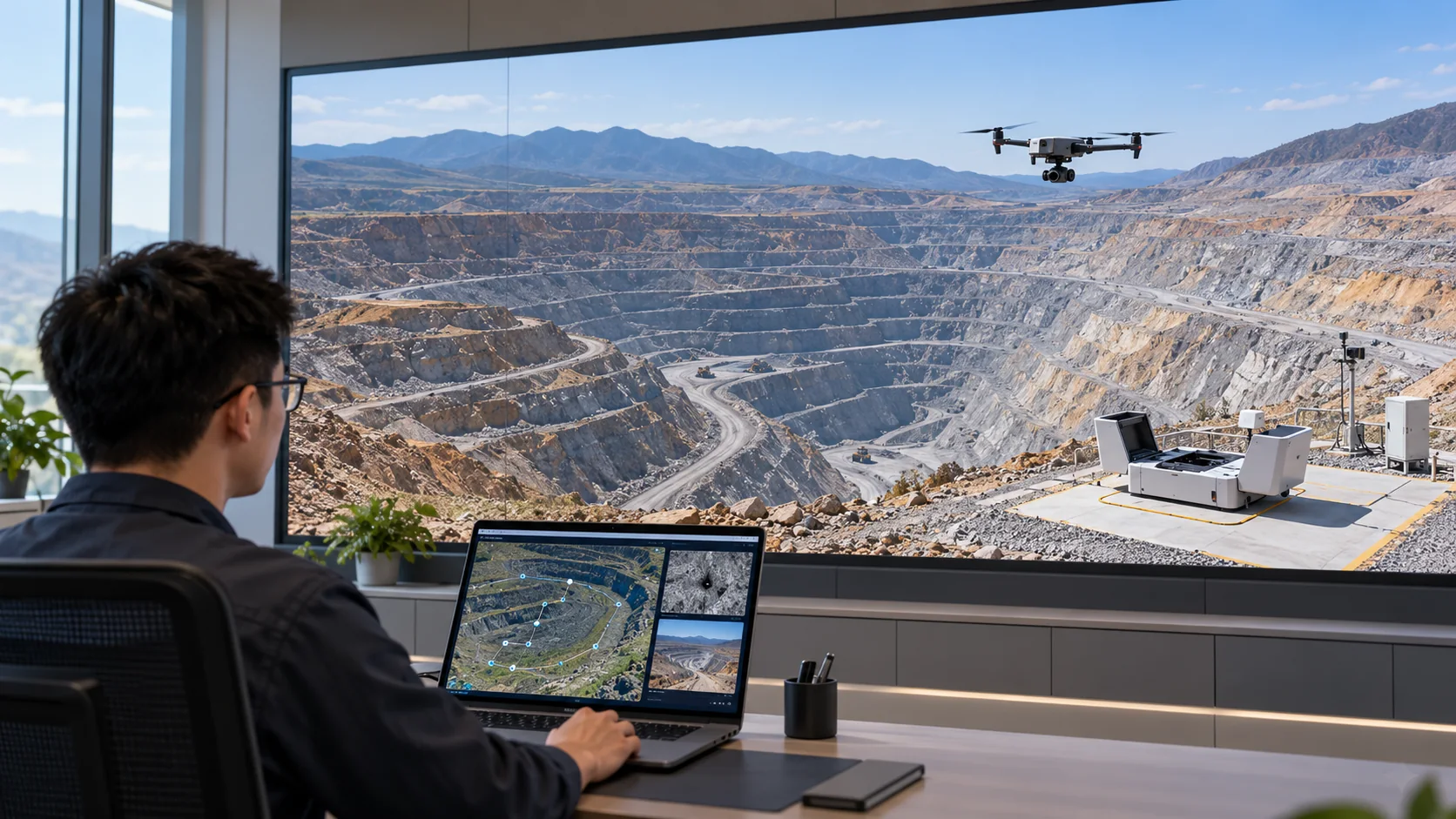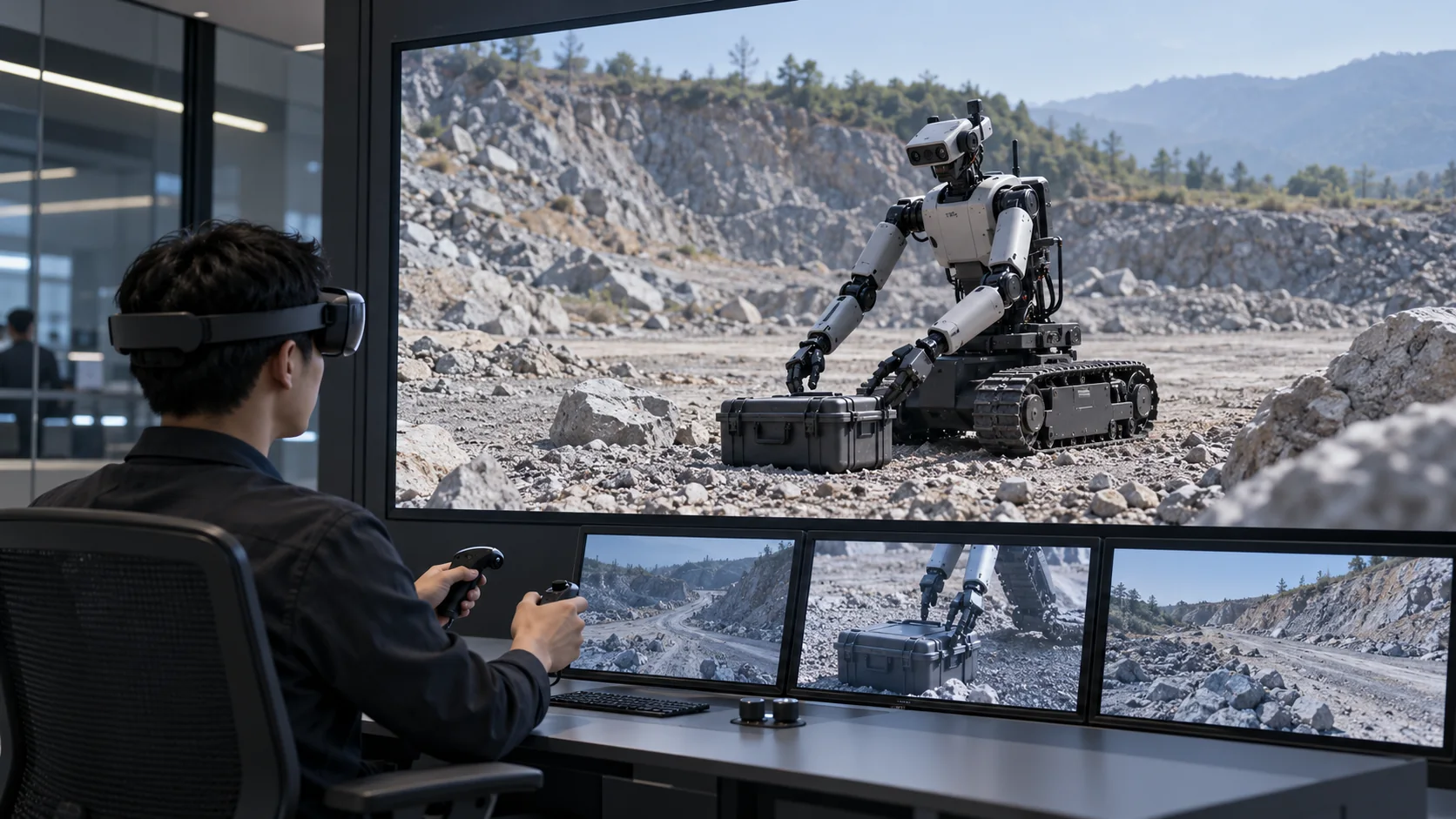
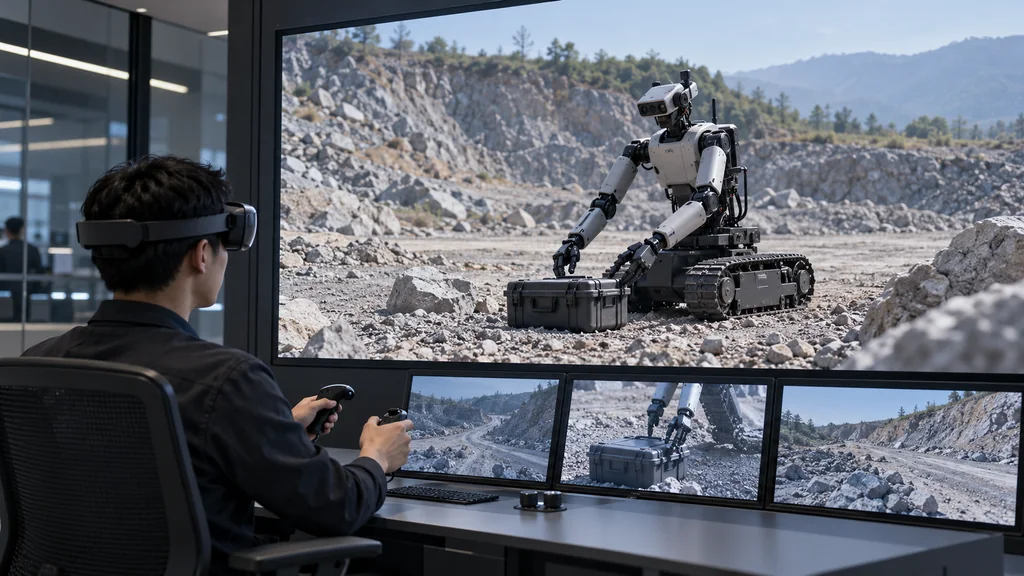
Control-room staff remotely operate a tracked humanoid robot at a mine; AI-generated illustration.

Arbor Standard

AI-Native MiningSafety ManagementAI-Native MiningSafety Management

People stay remoteEquipment goes on site

Highlights

Connect field safety work from detection through review

Field challenges

High-risk sitesSee clearly before acting

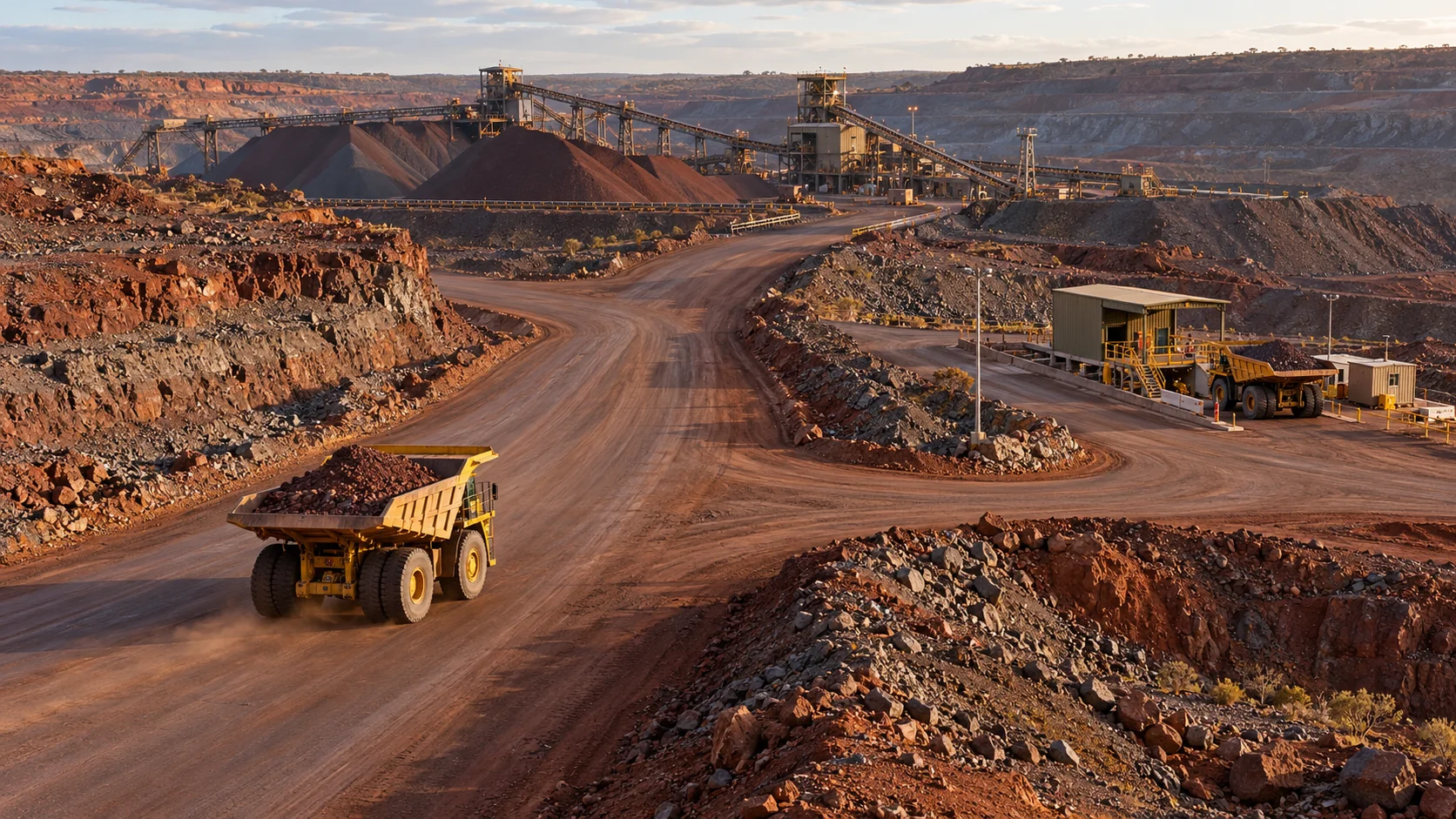
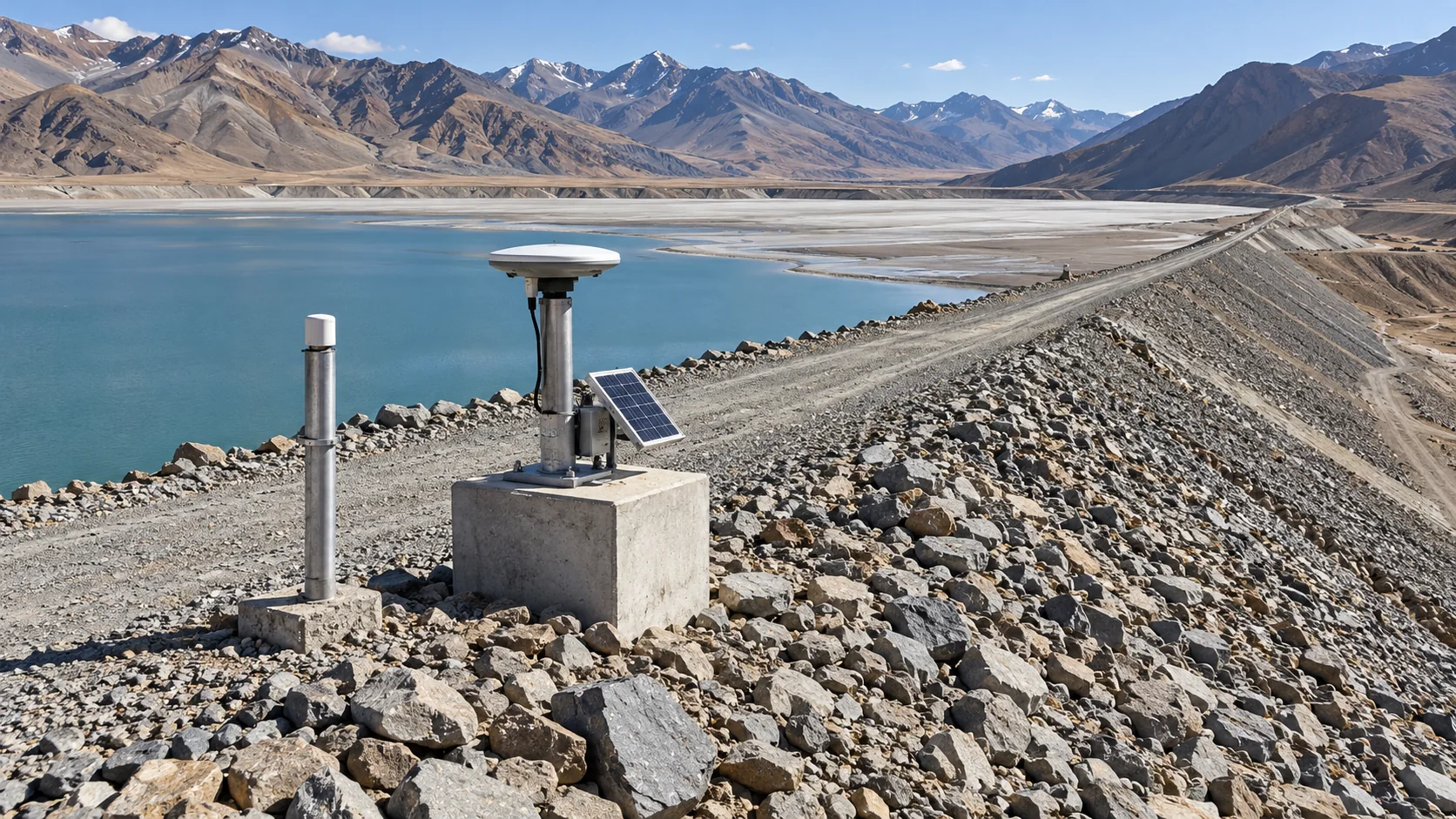
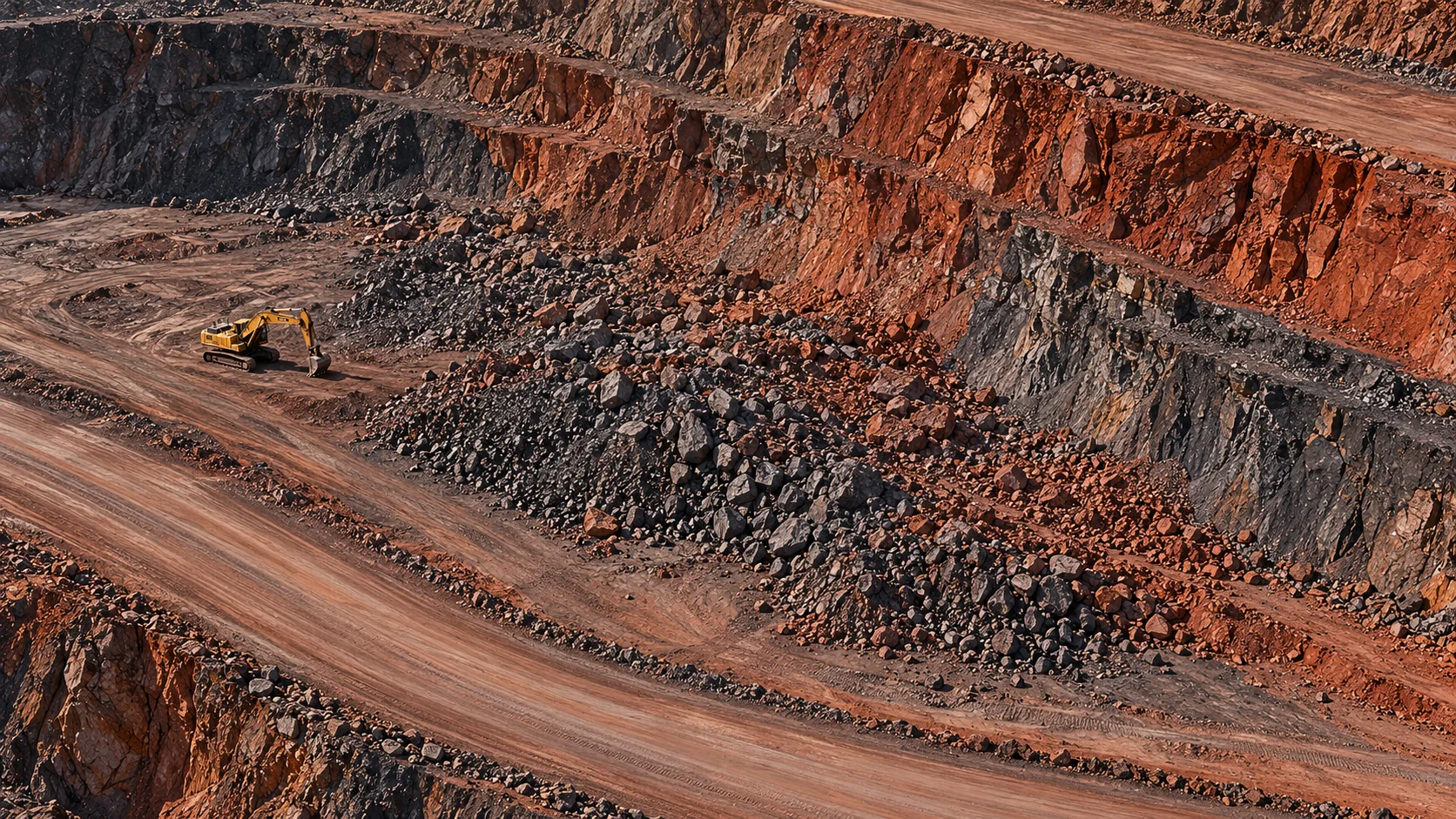
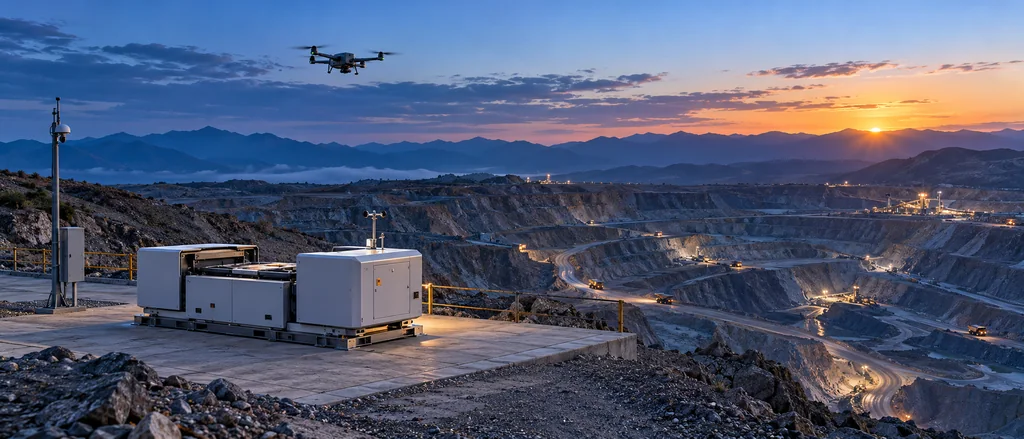
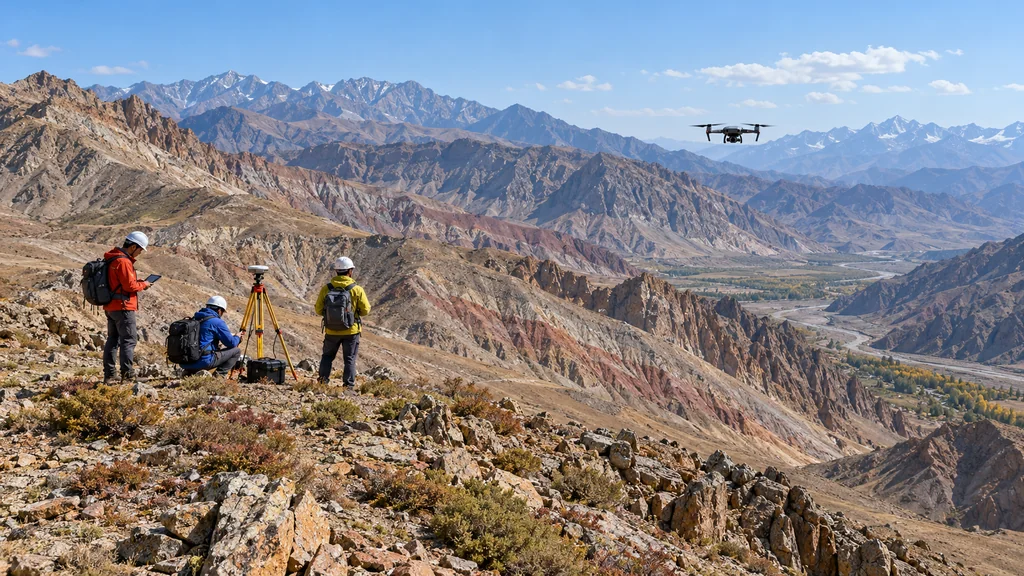
Illustration of an open-pit field inspection

Use equipment to gather information first.Organize inspections and remote reviews around actual tasks so people can focus onassessment and response.

01

High-risk areas are hard to reach

Slopes, tailings facilities and complex terrain make in-person visits more costly.

Gather information first, then let people assess

Equipment gathers site information where conditions permit; people confirm the risk and next steps.

Explore the capability
02

Large sites are hard to inspect fully

Slopes, roads and facilities are spread out, so inspections must be organized around the task.

Organize inspections by task

Define the inspection scope and deliverables, then transmit and archive results as conditions allow.

Explore the capability
03

The same issue sends teams searching again

Imagery, models and inspection records are scattered, making it hard for remote teams to share context.

Organize by location and time

Link site imagery and task records for search and review by location and time.

Explore the capability
04

Findings need a clear path to action

Connect findings, owners and feedback so information is not lost during handover.

Collaborate around the same site

Bring findings and related records together so people can confirm the issue and response.

Explore the capability
See the same sitePlan the next step together

AI collaboration is a future direction; people make key judgments and response records support later review.

Coordinated response

From the first findingto follow-up

Illustrative field-work interface

From detection to feedback.Link imagery, models, inspection records and outstanding tasks.

Available for private or cloud deployment, with integration based on site conditions.

A safety task, step by step

People confirm each step; records follow the task throughout

Find an issue and locate it

From finding to feedback, from field to review

Find an issue and locate it

01

Find an issue and locate it

Link an unusual finding to a facility, area and task, then decide whether more evidence is needed.

Organize a check and gather evidence

02

Organize a check and gather evidence

Define the check around slopes, roads and facilities, and confirm weather, airspace and equipment status.

Review remotely and decide how to respond

03

Review remotely and decide how to respond

Review site imagery and related records; people assess the issue and confirm the next step.

Report, review and archive

04

Report, review and archive

Record the response and keep an evidence trail for review.

Automated inspection

Automated inspectionKeep tasks moving

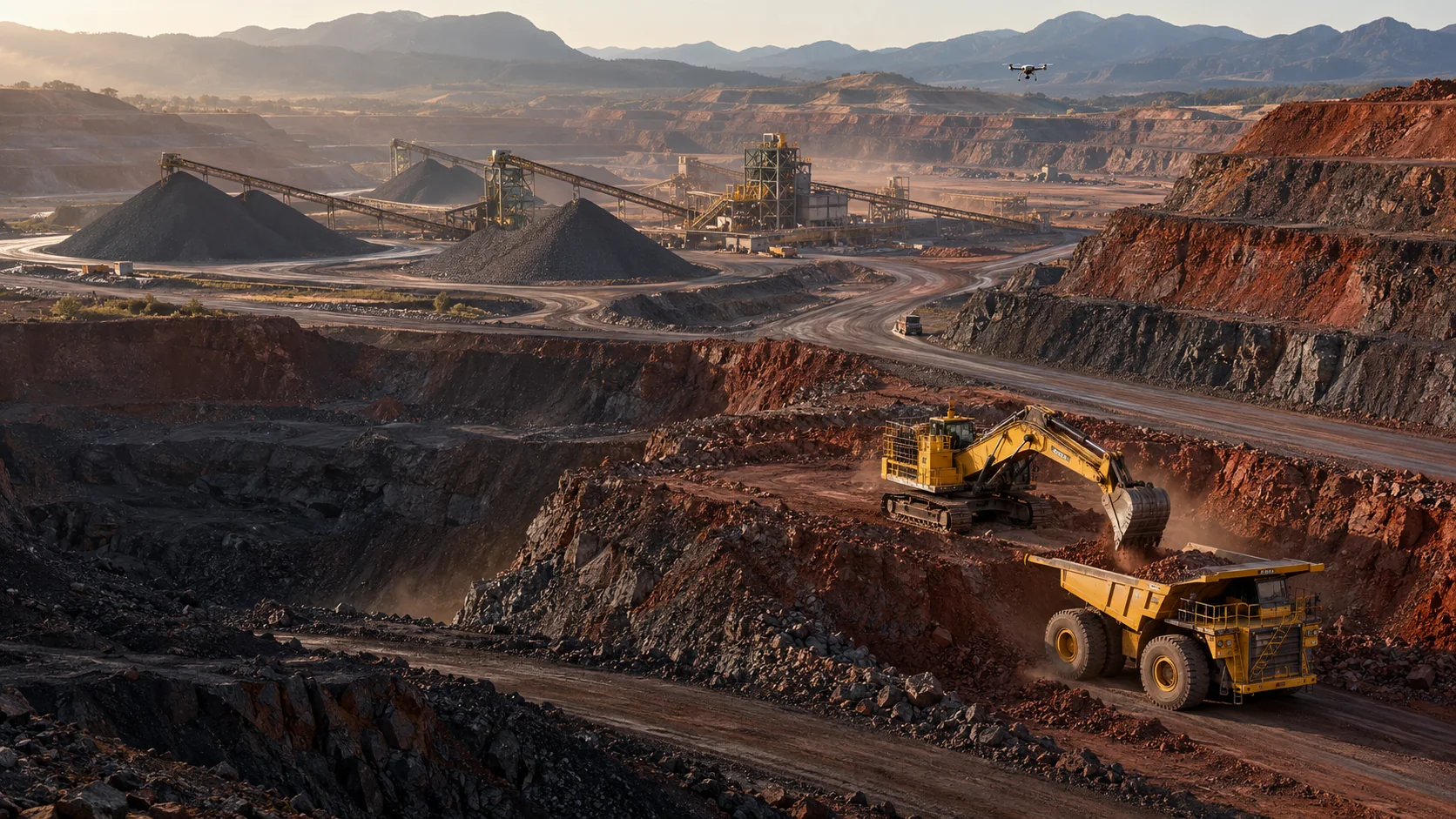
Illustration of an open-pit field inspection

Equipment stays on site while tasks continue.Routine inspections, ad hoc checks and transmitted results support daily safety work.

Plan the task and define its scope

Plan the task and define its scope

Define the inspection scope and deliverables for slopes, roads and facilities.

Check conditions before execution

Check conditions before execution

Authorized staff confirm weather, airspace, network and equipment status before work.

Transmit results for comparison

Transmit results for comparison

Archive imagery, location and task records together for historical comparison.

Actual operations depend on weather, equipment, airspace authorization and site conditions.

Field applications

Across safety tasksKeep field evidence traceable

Build a reviewable record around field safety tasks.Organize information by site area and task scope for people to view, compare and review.

On-site FDE delivery

Define tasks togetherValidate with real workDefine tasks togetherWith real workValidate in use

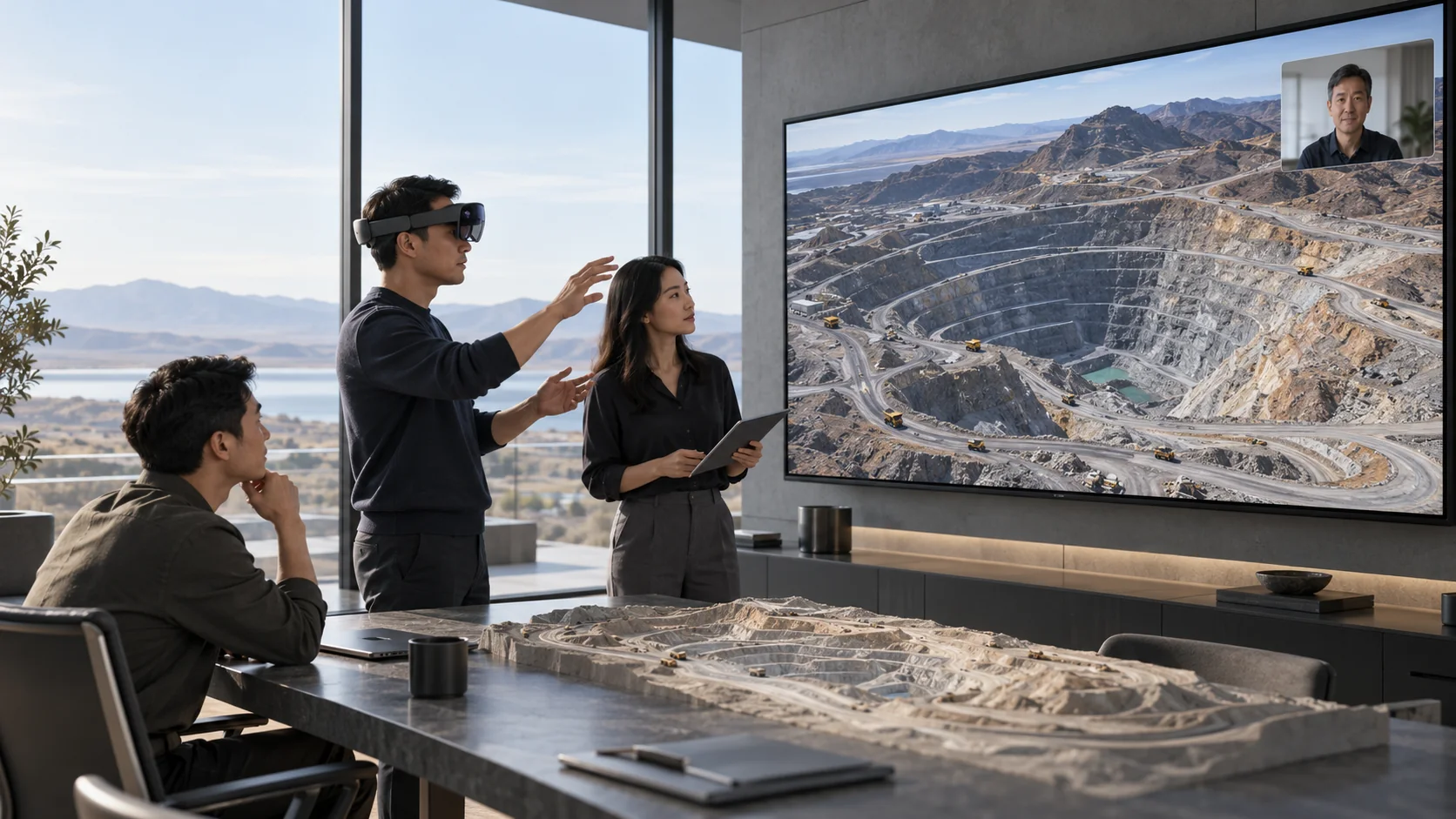
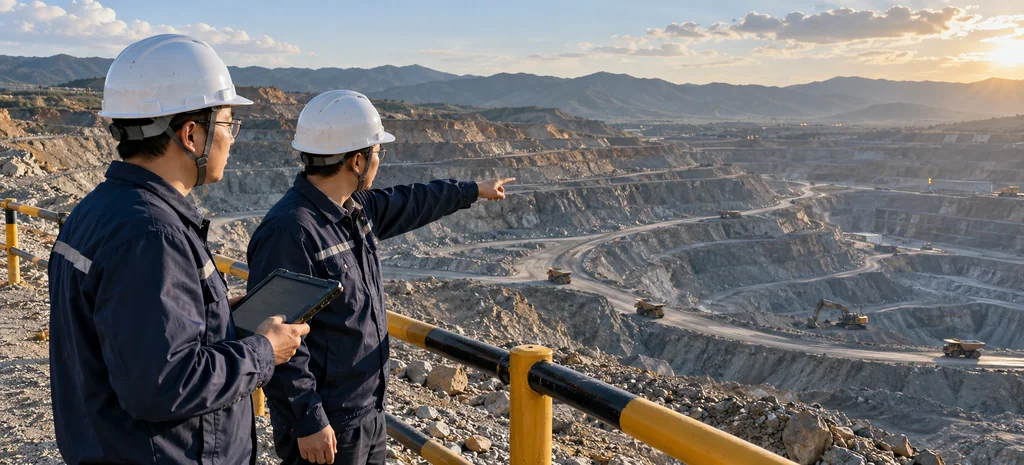
Illustration of a site team collaborating
  1. 01

    Define the task

    Agree on safety tasks, inspection scope and deliverables.

  2. 02

    Confirm conditions

    Confirm equipment, network, permissions and access based on site conditions.

  3. 03

    Field validation

    Work with the field team to refine tasks and validate them in actual use.

  4. 04

    Train and hand over

    Train around real workflows and clarify roles, operation and feedback.

  5. 05

    Review and improve

    Review field feedback continuously and make agreed improvements.

Validate with the site team.Start with one inspection task, define the site, equipment, network and deliverables, then expand coverage step by step.

Mining in practice

Mining in practiceGive remote teams a shared basis for decisions

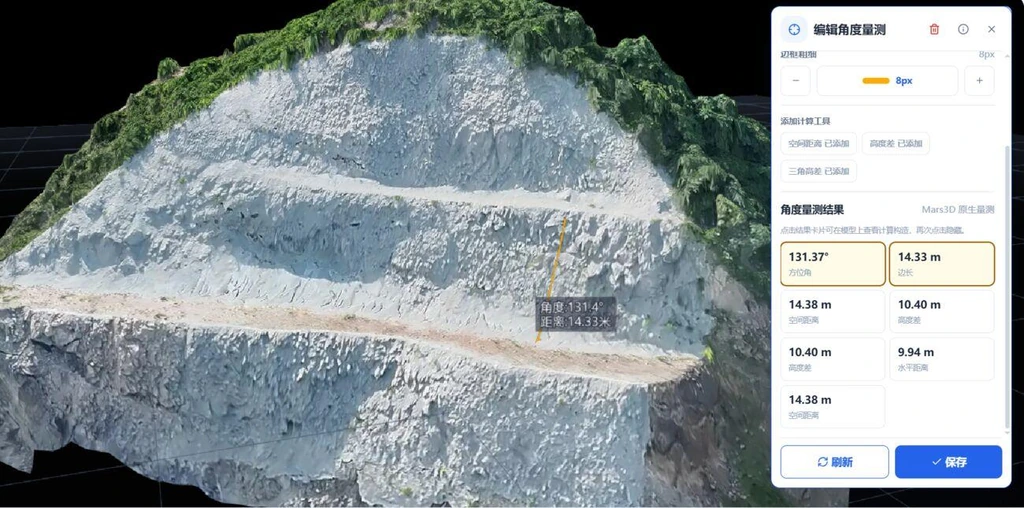
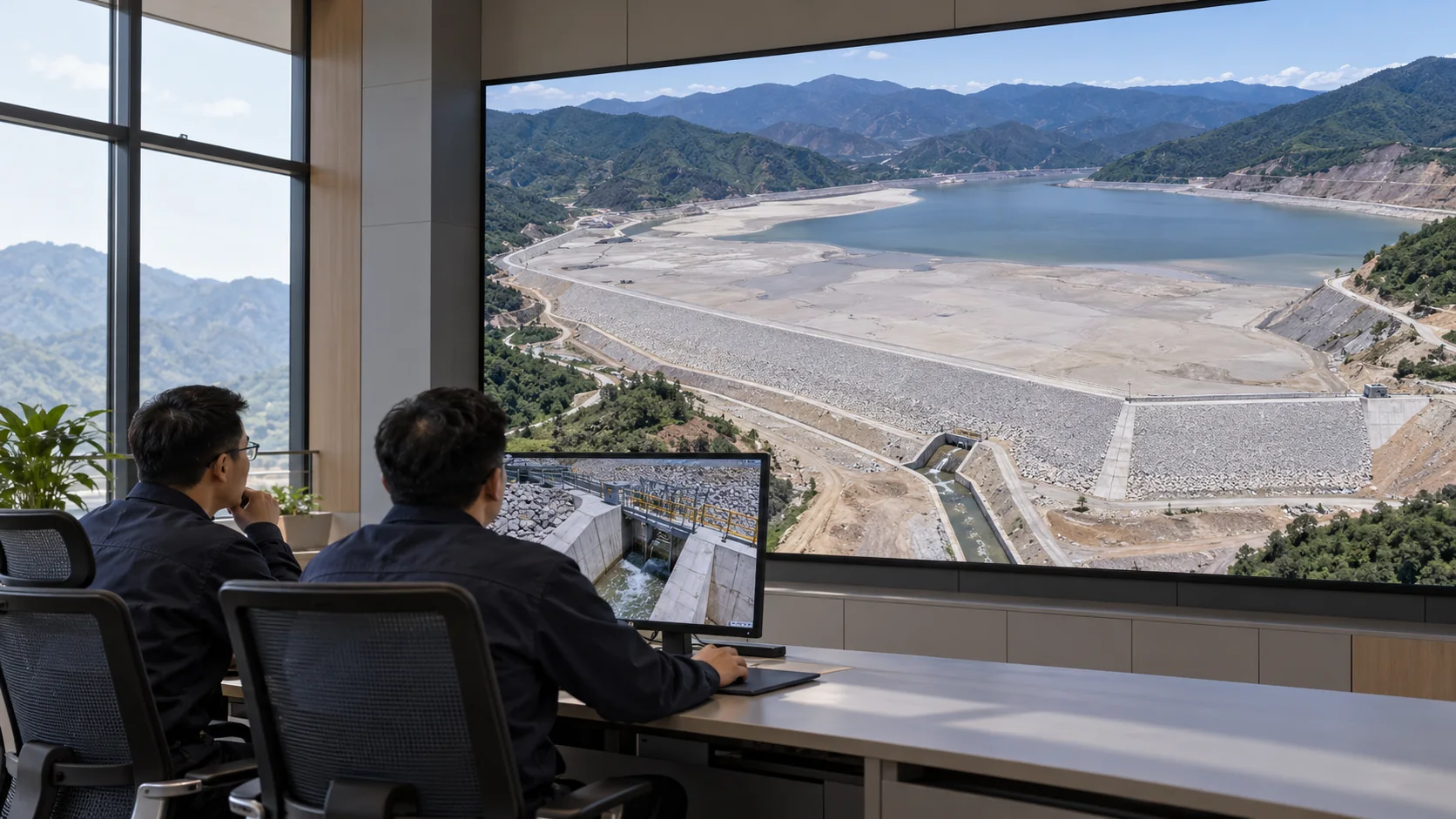
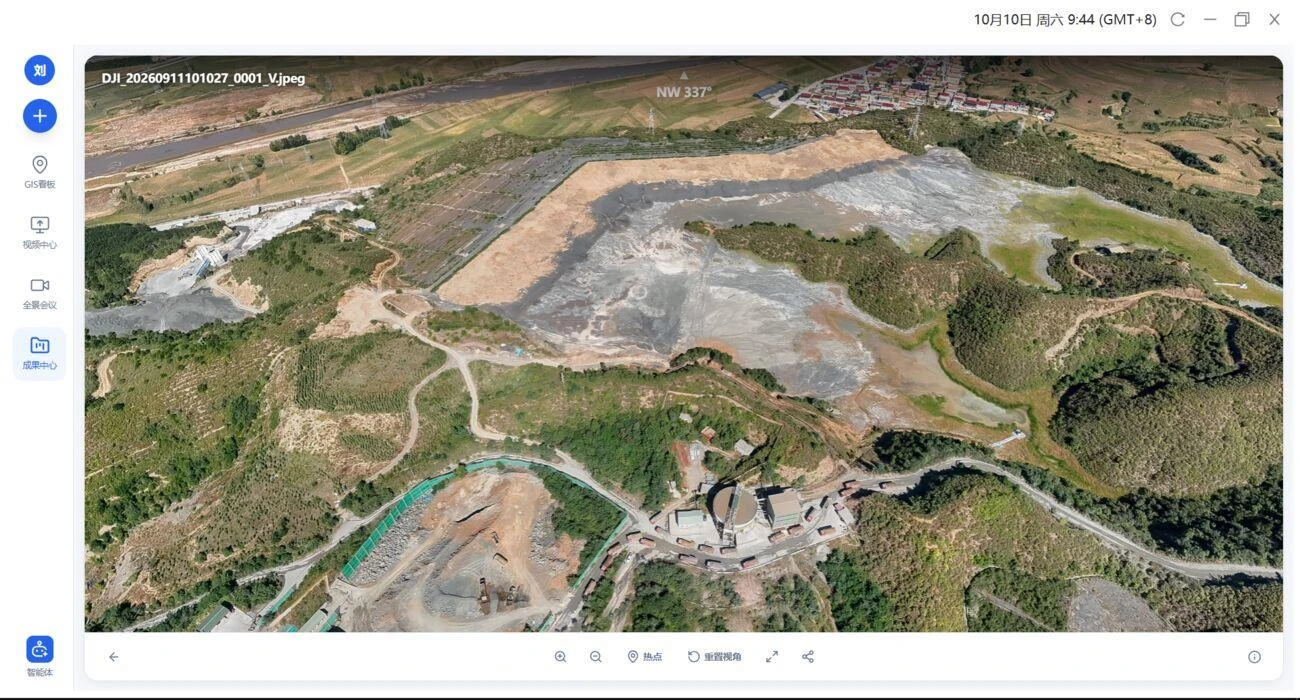
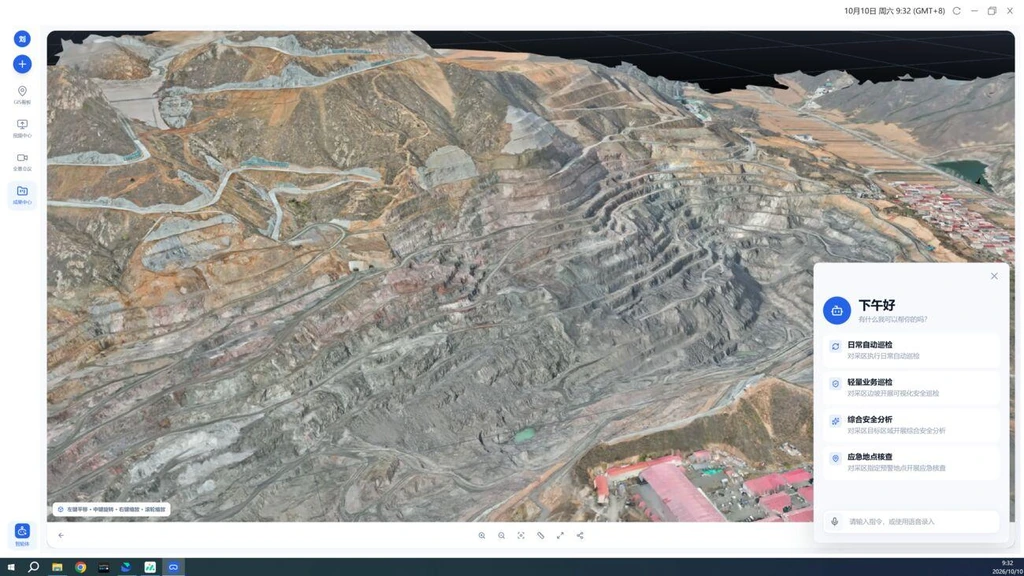
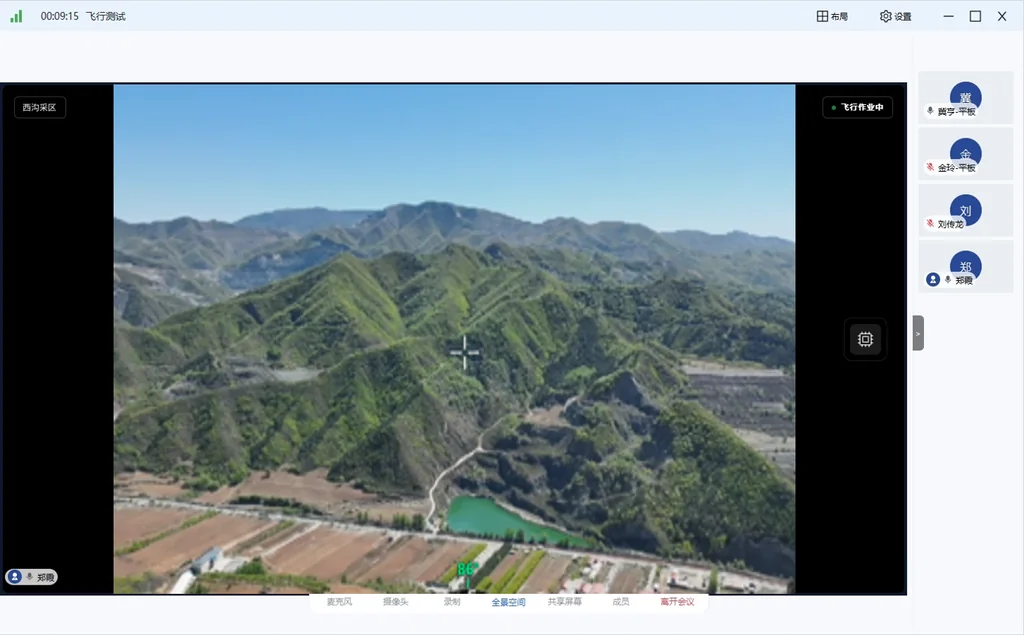
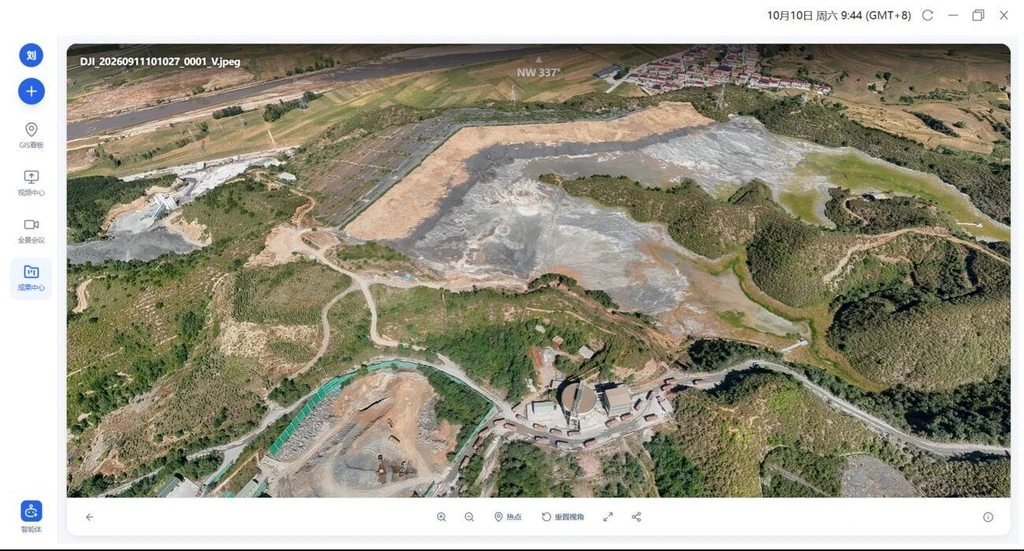
Original remote mine viewing interface from the Dadi Yuantong project
Dadi Yuantong Group · remote mine viewing project material

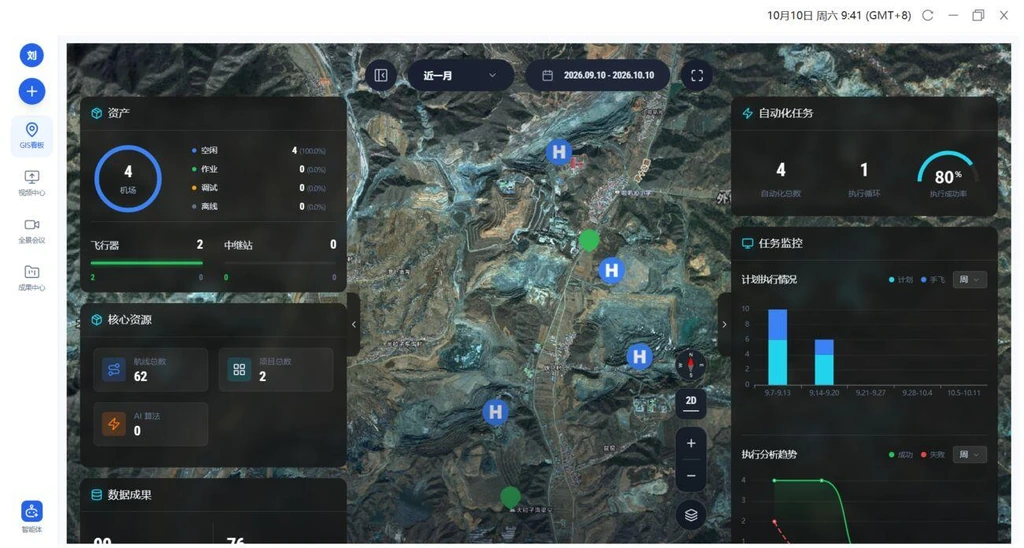
Remote mine viewing gives distributed teams a shared view of the site.According to company project materials, the Chengde mining area uses an unattended platform to support remote site viewing and collaborative review across the group.

4 unitsUnattended platforms
8+Application scenarios
15+Collaborators

Mining-area inspection

Plan→Transmit

Field check

Find→Review

Remote collaboration

Share→Assess

Platform, scenario and participant figures are from company project materials. Actual use and outcomes depend on site conditions and the project agreement.

Field review · proposed scenario

From detection to reviewand follow-up

Illustrative scenario · implementation scope is subject to the project agreement

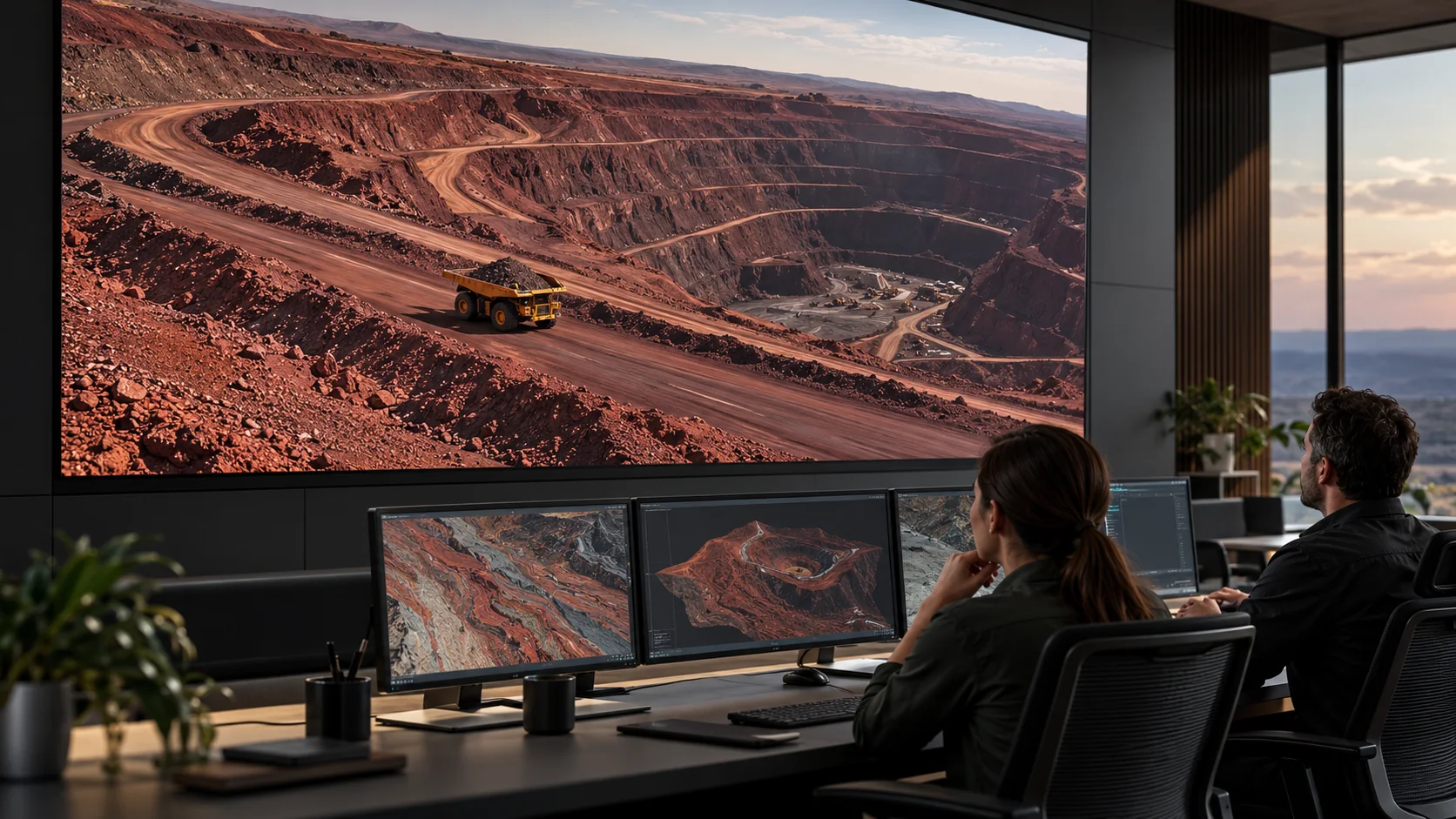
Illustration of remote site viewing

Link imagery with task records.Add evidence around a field finding so people can confirm the issue and response.

Connect discovery to review and response.Use field imagery, models and records for shared assessment; authorized personnel confirm risks and actions.

Technology foundation

Core capabilitiesValidated in real scenariosCore capabilitiesIn real scenariosValidated

Keep people remote and bring equipment closer to the field.Robot teleoperation and automated drone inspection figures reflect their respective validation conditions.

Operator remotely controls a tracked humanoid robot from a control room; AI illustration, not project acceptance photography

Remote control roomTracked humanoid robotHazardous worksite

CASC First Academy, Institute 18

People stay remote
Robots reach the field

Teleoperate a tracked humanoid robot from a control room for hazardous work such as explosive disposal and blast charging.

148 ms

Video latency · 4K 60fps
Jitter <30 ms · network switching <2 s

Mixed-reality teleoperation validation for special-purpose robots, according to company acceptance materials.

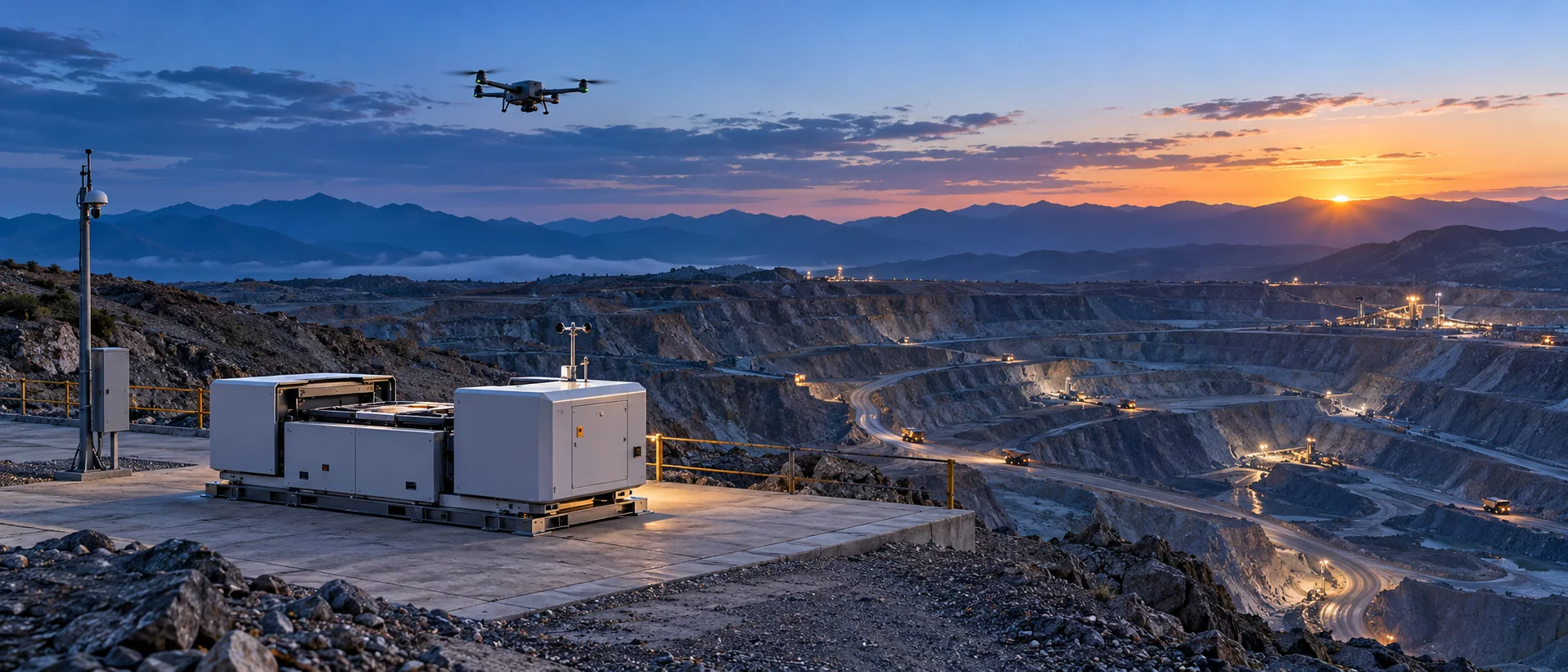
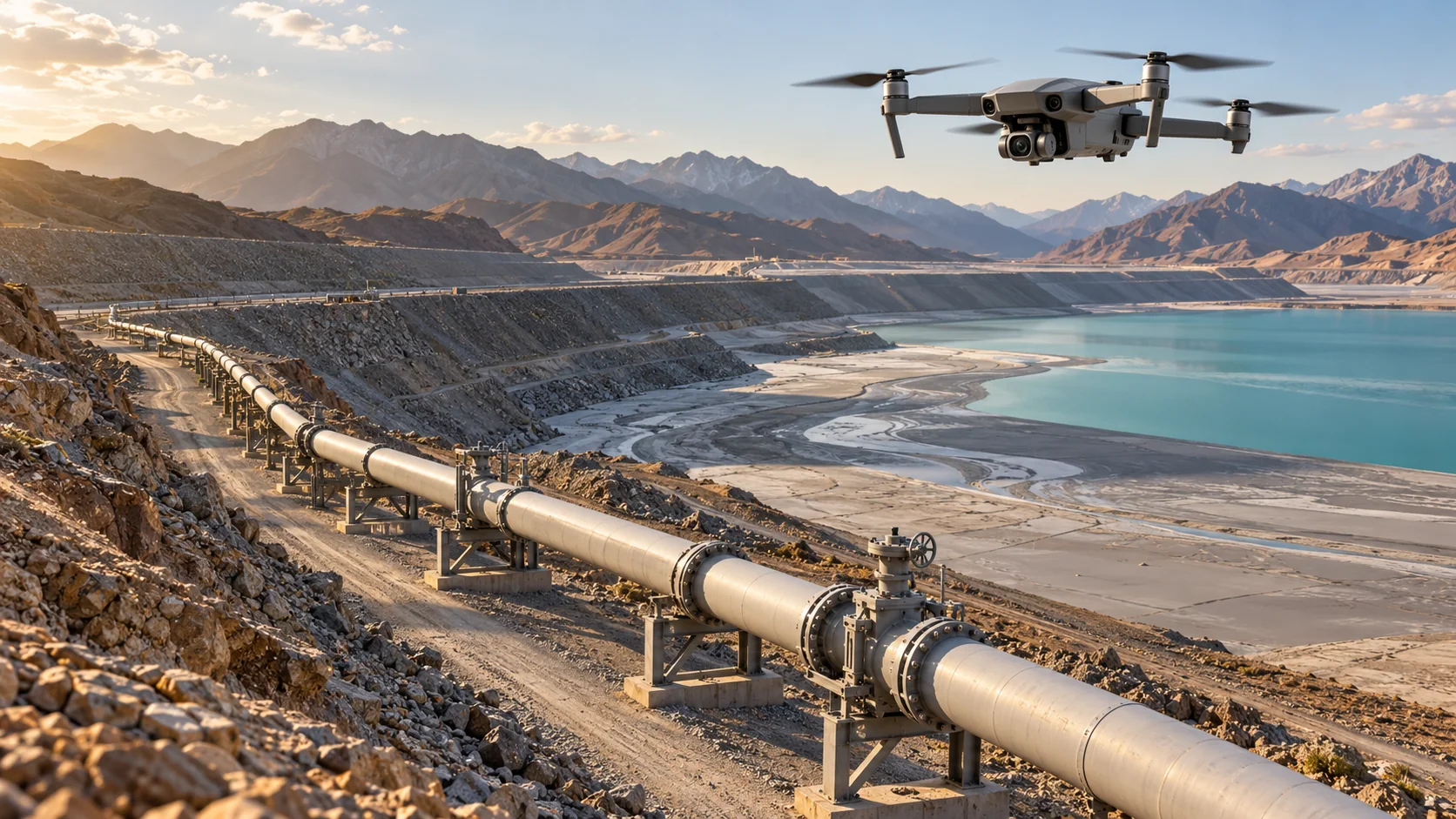
Remote app orchestrates automated mine drone inspections; AI illustration, not measured project photography

Remote appAutomated inspectionResults returned

China Unicom · 5G-connected drones

Remote app orchestration
Automated drone inspections

Use a remote app to organize tasks, execute automated inspection and receive results. The networked capability maintained control under 30% packet lossconditions,VR end-to-end <200 ms,one controller, multiple viewers; demonstrated at MWC25.

Illustrative task and field-record interface

Identify a findingGather evidenceReview and archive

Task collaboration · activity records

Connect field information to tasks
Keep responses traceable

Link findings to Site imagery、task location、review feedback, with people confirming the issue and response while retaining activity records。

Core technology and intellectual property

6+Core technologies
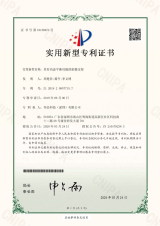
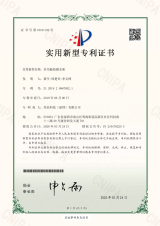
7+Patents
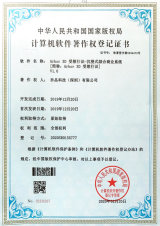
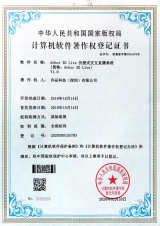
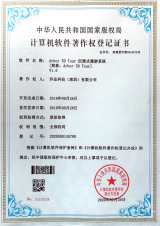
25+Software copyrights
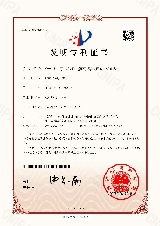
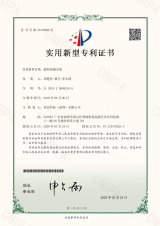
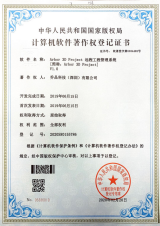
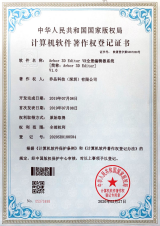
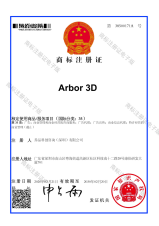
Patent and trademark registration certificates
Patents and trademarks
Software copyright certificates
Software copyrights

Value

Start with real tasksMeasure each improvement

Evaluation criteria

Measure improvement against real tasks

Establish a baseline for the pilot

Compare changes across the same scope of work

Safer, more efficient, more sustainable.Establish a baseline around high-risk areas, remote review and response records, then evaluate changes against actual tasks.

Establish a baseline for the pilot, then compare changes across the same scope of work. Generic estimates do not replace actual mine results.

Safer

Reduce exposure to hazards

Record visits to high-risk areas

Compare equipment inspection coverage with field records.

More efficient

Reduce time to review

Compare detection, transmission and review times

Record the time taken to detect, transmit, review and respond.

More precise

Make collaboration traceable

Review task closure and record completeness

Review task closure, record completeness and the ability to retrieve historical records.

Evaluation depends on the actual scope and site conditions; it is not a guaranteed return.

Start with one inspection task

Task scope

Define the site, equipment and network

Site conditions

Determined by site conditions

Review records

Compare changes across the same scope of work

Actual configuration and costs are subject to the project agreement.

Qiaopin Technology · Arbor Standard

Start with one field taskValidate the value

An AI-native mining intelligence company
Connect tasks, equipment and the field so systems fit everyday work

bert.zhou@arborstandard.com